A Shopkeeper at the Beginning of a Larger Story
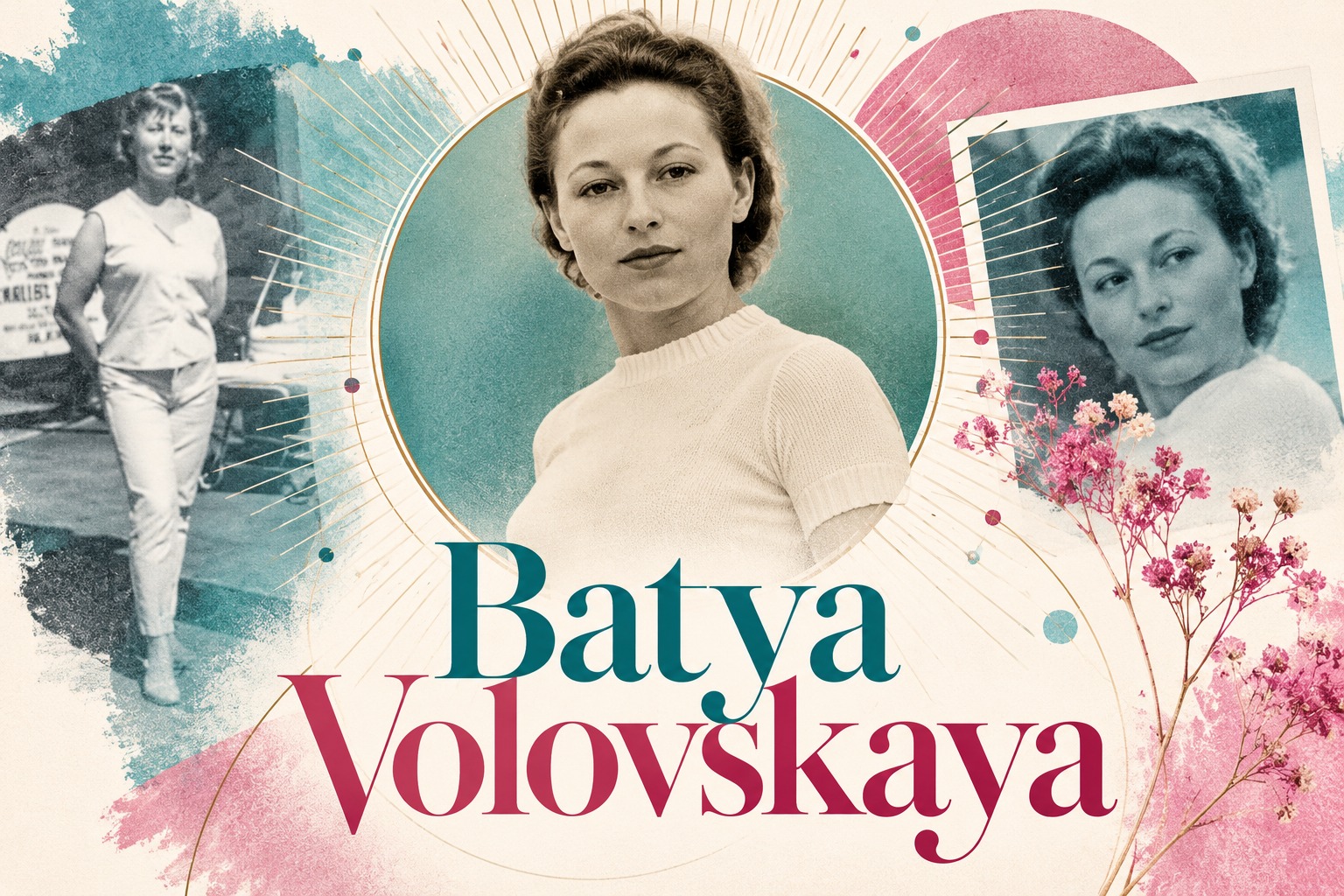
Before the Geffen name appeared on record labels and entertainment companies, Batya Volovskaya was working in a small Brooklyn shop. I find that starting point more revealing than the enormous fortune later associated with her son David. Her life belongs to immigration, family survival, and the daily demands of earning a living. The scale is smaller, but the stakes were immediate.
Batya, also known as Batya Israelovna Volovskaya, came from the eastern European Jewish communities around Yagorlik and Dubăsari. Her birth year is variously given as 1907 or 1909. She died in 1988. The uncertainty over two years does not change the broad arc: she lived through a century of migration, war, and a striking transformation in her family’s circumstances.
Origins in a Changing Region
The area associated with Batya’s childhood lies within the historical landscape now described through Moldova and Transnistria. Place names and borders in family histories from this region do not always fit neatly into a modern national label. Her Jewish background is the clearest continuous thread connecting the European beginning to the later Brooklyn household.
Her journey included British-mandate Palestine, where she and Abraham Geffen are understood to have met, followed by settlement in the United States. Precise migration dates are not publicly established. What emerges clearly is movement across more than one border before the family made its home in Borough Park, Brooklyn.
I see that route as an essential part of her biography. She did not simply appear in New York as the mother of a future executive. She arrived with an earlier life, a language and cultural background, and family connections reaching far beyond the neighborhood where her sons grew up.
Abraham Geffen and the Brooklyn Household
Batya married Abraham Geffen, who worked as a pattern maker or tradesman. Their family life developed in Borough Park, where work and household responsibilities occupied the foreground. Abraham’s trade and Batya’s retail business give the family story a practical foundation in making and selling, rather than entertainment.
They had two sons, Mitchell, also known as Mischa, and David. Mitchell was the older child and became an attorney. David Lawrence Geffen was born on February 21, 1943, in Brooklyn. The brothers eventually entered different professional worlds, even though they shared the same immigrant household.
The relationship is sometimes muddled in brief family summaries: Mitchell was David’s older brother and Batya’s son. Keeping the generations straight matters here, particularly because David’s later fame can pull every relative into an account organized around him. Batya’s own family included both boys, not only the one whose career became internationally famous.
Chic Corsets by Geffen
Batya ran a clothing shop in Borough Park commonly identified as Chic Corsets by Geffen. That business is the most tangible element of her working life. Its name places her in neighborhood retail, serving customers directly rather than operating a distant corporate enterprise.
A shop of this kind brings commerce down to human scale: inventory, purchases, customers, and the need to keep a business functioning. These are the ordinary mechanics of retail, and I find them useful for understanding the difference between Batya’s work and the later mythology of a wealthy entertainment family. She was engaged in the business of supporting a household.
There is no established personal fortune to assign to her. Nor does the existence of the shop tell us exactly what the family earned in any particular year. Its importance is occupational and historical. It shows a woman contributing through her own enterprise, with work that had a concrete place in the neighborhood.
The shop also offers a sharper image than a vague description of maternal influence. A counter and a stockroom cannot explain everything about a son’s ambition, but they locate his upbringing within an actual working environment.
A Family Marked by the Holocaust
The Holocaust devastated Batya’s extended family in Europe. The loss of relatives became part of the emotional history carried into her American life. Her sister Deena is identified as a surviving relative who later reestablished contact after remaining in the Soviet Union.
I approach that history as a tragedy in its own right. It does not need to be justified by explaining David’s later personality or success. Batya lost family members; the significance of those deaths begins with the people who were killed and those left to live with their absence.
The exact circumstances for every relative are not fully established in the available account. The broader reality is clear: migration separated Batya from a European family network that was subsequently shattered. Her Brooklyn household existed alongside that missing world, with survival and bereavement occupying the same family history.
David’s Rise and the Difference Between Generations
David Geffen went on to help build major entertainment businesses, including Asylum Records, Geffen Records, and DreamWorks SKG. His career turned the surname into a recognizable force in music and film, far beyond the neighborhood shop where it had once appeared.
Batya lived until 1988, so she saw important parts of David’s music business rise. DreamWorks, established later, belongs to the period after her death. That chronological distinction keeps the story from placing her beside achievements she did not live to witness.
I find the contrast between mother and son compelling without making it a simple fable about inevitable progress. Batya’s work and David’s businesses operated in different industries, at vastly different scales. Their connection is familial, while each life retains its own circumstances and choices.
FAQ
Who was Batya Volovskaya?
She was a Jewish immigrant and Brooklyn shopkeeper, married to Abraham Geffen and the mother of Mitchell and David Geffen. Her life began in eastern Europe and ended in 1988.
What business did she operate?
She is associated with a Borough Park clothing shop called Chic Corsets by Geffen. The store was part of the family’s working life before David became a major entertainment executive.
Was Mitchell Geffen her brother?
No. Mitchell, also called Mischa, was her older son and David Geffen’s brother. He became an attorney.
What is known about her sister?
Her sister Deena survived in the Soviet Union and later made contact with Batya. Their relationship forms part of a family history profoundly affected by the Holocaust and the loss of relatives in Europe.